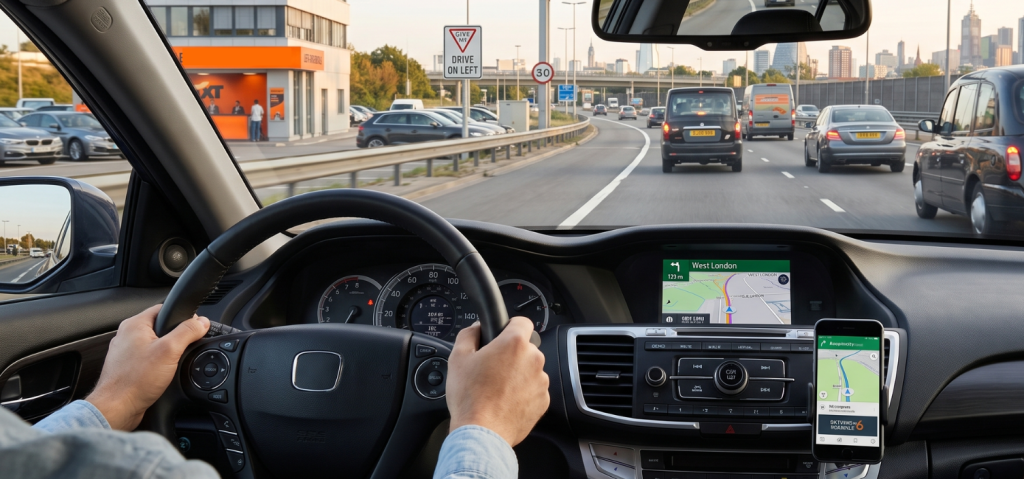
When booking a rental car , small details often determine whether your trip remains stress-free or ends with unexpected costs . By reading the contract carefully, documenting the vehicle’s condition upon pickup, and planning the return properly, you can avoid the most common pitfalls of car rentals.
Consumer advocacy groups and the ADAC have been warning about the same pitfalls for years: unclear insurance terms, surprise additional fees at the rental location, and disputes over scratches that were allegedly already there. The good news: With the right preparation, almost all of these problems can be avoided. We’ll walk you through, step by step, what matters most—from booking to return.
Before booking: Compare offers and read the contract
The earlier you book, the wider the selection and the more likely you are to find an offer with cancellable terms. Be sure to compare not only the rental price itself, but also the terms and conditions.
- Compare several providers and comparison sites, as shown in our guide to finding a rental car.
- Watch out for hidden additional costs; you can find more information in our tips for saving on car rentals.
- Check whether there’s a mileage limit or if unlimited mileage is included in the price.
- Read the rental agreement in its entirety before signing or confirming online, and don’t sign anything you don’t understand.
- Download the booking confirmation and all terms and conditions or print them out so you have them on hand in case of a dispute.
In the event of a dispute, the law of the country where the rental car is picked up generally applies. If you book through a German broker, German law usually applies, which, in case of doubt, makes it easier to enforce your claims.
Check Insurance and Eligibility Requirements
The liability insurance included in the base price is often insufficient, and coverage limits can be very low, especially outside of Germany. We explain in detail which insurance policies are truly worthwhile in our article on rental car insurance as well as specifically on rental car insurance abroad.
Other points you should clarify before picking up the car:
- Do you meet the provider’s age requirements? You can find details in our article Acar rental age requirements.
- If you’re traveling outside the EU, an international driver’s license may be required.
- If another person wishes to drive the vehicle, they must be officially registered as
- an additional driver, otherwise insurance coverage will be void in the event of damage.
At pickup: Security deposit, credit card, and vehicle condition
At the rental location, a security deposit is typically charged to your credit card—ranging from €250 to over €1,000, depending on the provider. Make sure you have enough credit available for the rest of your trip and that the card is in the name of the primary driver. Not all rental companies accept debit cards for the security deposit.
The most common point of contention after the trip is whether a scratch or dent was already present when you picked up the car. Here’s how to protect yourself:
- Walk all the way around the vehicle once before picking it up and take photos of any existing scratches, dents, and the condition of the tires.
- Also take photos of the odometer reading and the fuel gauge.
- Have all pre-existing defects confirmed in writing in the rental agreement or in a separate vehicle inspection report.
- If possible, document these details in the presence of a rental office employee, rather than later in the parking lot.
- Check whether a warning triangle, first-aid kit, and, if applicable, a safety vest are present in the vehicle; in some countries, these are required by law.
During the rental period: Refueling and what to do in case of damage
As a general rule: Filling up the tank right before returning the car usually saves you significantly more than the refueling service offered by the rental company.
If an accident or theft occurs while you’re on the road, you should remain calm and take the following steps:
- Immediately notify the rental car company using the emergency number listed in your documents.
- In the event of theft, always call the police and have them issue a report.
- Fill out the accident report form from the glove compartment completely.
- Take photos of the damage and the accident scene, and write down the contact information of witnesses and others involved in the accident.
- Keep all receipts, the rental agreement, and all documentation regarding the security deposit and deductible.

When Returning Items: How to Avoid Last-Minute Hassle
The return process itself also has its typical pitfalls. Plan ahead with a little extra time so you don’t end up rushing.
- Return the vehicle on time; many providers charge extra by the hour for late returns.
- Check the condition of the vehicle together with a staff member at the rental location before you leave the premises.
- Have the return confirmed in writing, ideally with a signature on a handover report.
- Request the return of all documents that you provided as security upon pickup, such as copies of your credit card.
- After your trip, check your credit card statement for unexpected charges and contact the rental company directly if you find any discrepancies.
Recognizing Common Car Rental Tricks
Some of the common sources of frustration aren’t due to bad luck, but to deliberate upselling at the rental counter. If you’re aware of the following patterns, you’ll be less likely to let yourself be pressured:
- Insurance pressure at the counter: Additional insurance is often presented as supposedly indispensable, even though you’re already covered through your reservation or credit card.
- Upgrade offers: A larger vehicle is presented as free or inexpensive, but in reality, you often end up paying more for gas and insurance.
- Paying for a full tank right away: The fuel service offered seems convenient, but it’s almost always more expensive than filling up yourself.
- Last-minute extras: Child seats, GPS devices, or an additional driver are usually more expensive at the rental location than when booked online, and sometimes aren’t even available on short notice.
If you familiarize yourself with the standard offerings before picking up the car, you won’t have to make a spontaneous decision at the rental location and can make the right choice with greater peace of mind.
Conclusion: With good preparation, you can pick up your rental car with ease
Most problems with rental cars don’t arise while driving, but rather due to missing documentation or unclear contract terms. For a worry-free rental experience, follow these steps:
- Read the rental agreement in its entirety and clarify the insurance details in advance.
- Document the vehicle’s condition with photos upon pickup and return.
- Clarify the security deposit, credit card requirements, and additional drivers before your trip.
- Allow enough time for a joint vehicle inspection when returning the car.
With this checklist in mind, your rental car experience will be remembered primarily for the trip itself—not for the paperwork afterward.
Frequently Asked Questions About Rental Cars
Walk around the vehicle, take photos of any existing damage, the odometer reading, and the fuel gauge, and have all defects confirmed in writing in the contract or a handover report.
Depending on the rental company and vehicle class, the security deposit is usually between €250 and over €1,000. The amount will be held on your credit card for the duration of the rental.
Not all providers do this. Many car rental companies require a valid credit card in the name of the primary driver, but some now also accept debit cards.
Notify the car rental company immediately, fill out the accident report form provided in the vehicle, document the damage with photos, and, in the event of theft, also call the police.
As a general rule, the law of the country where the rental car was picked up applies. When booking through a German agency, German law often applies.
In most cases, no. Even filling up just before returning the car is cheaper than paying for a full tank through the rental company.