A road trip through northern Spain ranks among the most exciting travel experiences Europe has to offer. Lush mountain landscapes, wild Atlantic coastlines, medieval cities, and some of the finest cuisine in the world captivate everyone who wants to discover the country away from its overcrowded tourist hotspots. With a rental car, you have complete flexibility and can reach places no tour bus ever visits.
In this travel guide, we’ll show you the most scenic route for your road trip, the top highlights along the way, practical planning tips, and how to make the most of your journey with a rental car.
Why a road trip through northern Spain is so special
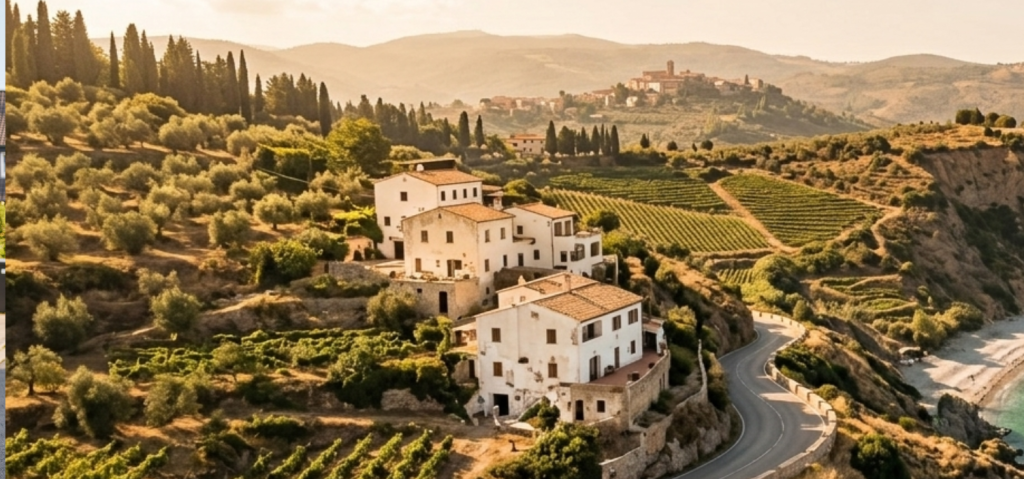
Those who want to experience Spain off the beaten track quickly fall for the rugged, green north. While holidaymakers crowd the beaches of the Costa del Sol, travelers in the north enjoy laid-back villages, unspoiled nature, and an authentic Spanish way of life. The Basque Country, Cantabria, Asturias, and Galicia offer a variety that is hard to beat in such a compact area. Here, the majestic, often snow-capped peaks of the Picos de Europa meet the wild, Atlantic-sculpted cliffs almost seamlessly. In between lie idyllic fishing villages, deep green forests, and historic cities renowned for their world-famous gastronomy.
A road trip is the perfect way to explore this region at your own pace. The roads are well maintained, distances are manageable, and every bend in the coastal road reveals a new panorama. With a rental car, you have the freedom to stop for a photo or a break exactly where the mood takes you.
The most scenic route through northern Spain: from San Sebastián to Santiago
The most popular itinerary for a northern Spain road trip follows the Atlantic coast from east to west. Here is a tried-and-tested route for around 10 to 14 days:
Stage 1: San Sebastián – starting point in the Basque Country
San Sebastián is one of the most beautiful cities in Spain and the perfect starting point for the journey. The old town, the sweeping La Concha beach, and the pintxos bars serving Basque tapas make it a true highlight. Allow at least two days here before moving on.
Stage 2: Bilbao and the Basque coast
From San Sebastián, head west to Bilbao. Frank Gehry’s Guggenheim Museum is an absolute must, but the Ribera market hall and the vibrant nightlife are equally worth your time. If you have the time, make a detour to the Puente Colgante suspension bridge, the world’s oldest transporter bridge and a UNESCO World Heritage Site.
Stage 3: Cantabria – Santander and Comillas
Continuing westward, the region of Cantabria awaits with the seaside resort of Santander and the charming coastal town of Comillas, home to El Capricho, one of Antoni Gaudí’s early works. The landscape shifts noticeably here: lush meadows and rugged cliffs define the scenery from this point on.
Stage 4: Asturias – Oviedo and the Picos de Europa
Asturias is perhaps the most underrated region on the entire route. Oviedo charms with a romantic old town and remarkably few tourists. A side trip into the Picos de Europa National Park is an absolute must. Dramatic mountain panoramas, deep gorges, and traditional villages make this detour essential and with a rental car, even the most remote viewpoints are easily within reach.
Stage 5: Galicia – Santiago de Compostela and the Rías Baixas
The journey’s destination is also one of its most impressive stops. Santiago de Compostela with its mighty cathedral, the endpoint of the Camino de Santiago, and the incomparable atmosphere of its old town makes for a truly worthy finale. Those with extra time can explore the Rías Baixas, a rugged ría landscape of white sand beaches and outstanding seafood.
The most beautiful highlights along the route
Alongside the cities, the journey through northern Spain is dotted with natural wonders and landmarks you simply shouldn’t miss:
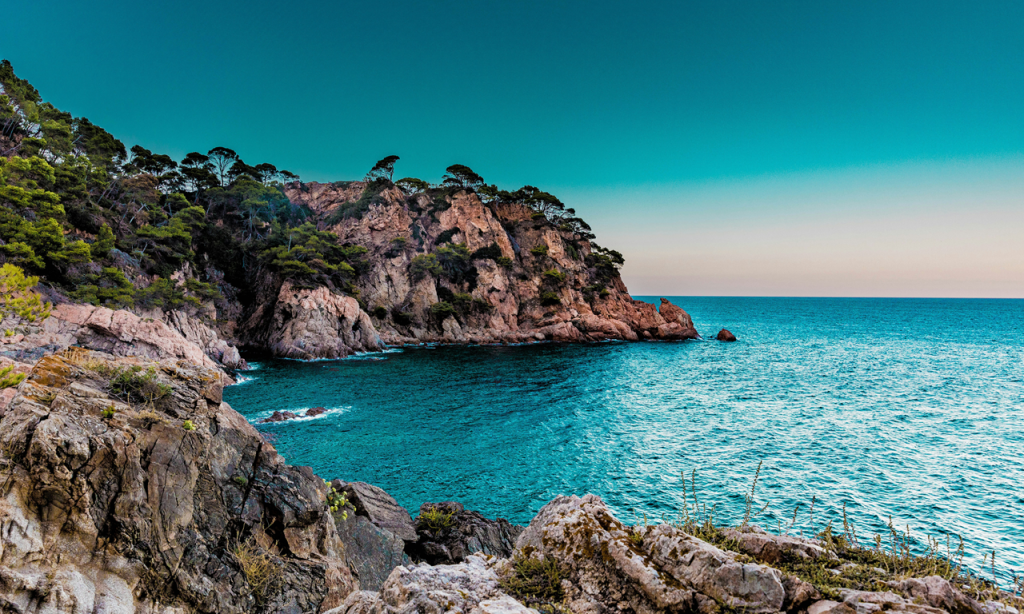
- Flysch coast near Zumaia: These striking rock formations, millions of years old, plunge dramatically into the Atlantic and even served as the epic backdrop for Dragonstone in Game of Thrones.
- Cape Finisterre (Cabo Fisterra): Once considered the “end of the world,” this remote headland casts a raw, irresistible spell over travelers and pilgrims alike. The moment the sun sinks into the Atlantic right beside the lighthouse is something you’ll never forget.
- Playa de las Catedrales: Monumental rock arches rising up to 30 meters high line this coastline like the pillars of a Gothic cathedral. At low tide, you can walk directly across the exposed seabed beneath these giants.
- Covadonga Lakes: These two glacial lakes rest like emerald jewels at over 1,000 meters above sea level in the Picos de Europa. The best postcard-worthy view of both lakes at once can be found at the Mirador de Entrelagos viewpoint.
- Altamira Caves: Known as the “Sistine Chapel of prehistory,” this site is home to world-famous cave paintings thousands of years old. To protect the originals, the masterpieces are now displayed in a strikingly faithful, full-scale replica in the adjacent museum.
Renting a car in northern Spain: what you need to know
A rental car is the ideal way to explore northern Spain. Public transport only covers the coastal regions sporadically, and the most beautiful spots are often far from any railway line.
Here are the key tips for the journey:
- Book early: Demand is high during peak season between July and August. Booking ahead secures better prices and a wider choice of vehicles.
- Choose the right vehicle class: A compact car is perfectly sufficient for two people. For families or those with a lot of luggage, an estate car or SUV is recommended — especially for the mountain roads in the Picos de Europa.
- Don’t overlook insurance: Fully comprehensive cover with no excess protects against unexpected costs. Spain is one of the EU countries where the Mallorca Policy applies.
- Check the fuel policy: The most cost-effective option is full-to-full — pick up the car with a full tank and return it the same way.
- Parking in cities: Parking in the city centers of San Sebastián and Bilbao is expensive and scarce. Car parks on the outskirts are the smarter choice.
With current coupon codes from Sixty6Coupons, you can save up to 20% on your rental car booking with leading providers such as SIXT, giving you an even better-value start to your adventure.
The best time to visit for a northern Spain road trip
Northern Spain can be visited year-round, but the finest months fall between May and October. May and June are arguably when the region is at its most beautiful: temperatures are pleasantly mild, the landscape glows in rich shades of green, and popular spots are still refreshingly quiet, well before the bustle of high season sets in. July and August bring packed beaches, lively festivals, and the full summer atmosphere, but also higher prices and limited availability for accommodation and rental cars. Booking well in advance is essential during these months.
September and October are considered the real insider season among frequent travelers: temperatures are still comfortably warm, destinations are noticeably quieter, and prices are considerably lower. Autumn also brings a special atmosphere to the wine regions, those who include La Rioja in their route can experience the grape harvest up close. In winter, northern Spain remains green and surprisingly mild, but expect frequent rain and many seasonal businesses closed. That said, those who prioritize culture, architecture, and gastronomy will still find the region a rewarding and authentic destination even in the off-season.
How much does a road trip through northern Spain cost?
Compared to other European destinations, northern Spain is pleasantly affordable. Here is a realistic breakdown for two people over ten days:
The biggest expense is the rental car. Outside peak season, a compact car is available from around €300 to €500. In July and August, you should budget closer to €600 to €900. Booking early and using discount codes can bring this figure down noticeably. For accommodation, you can choose between simple guesthouses and casas rurales from around €50 per night, or charming boutique hotels for €100 to €150. The latter are particularly well represented in northern Spain and are often housed in historic buildings.
Food is where you’ll be pleasantly surprised. The menú del día, a two- or three-course lunch including a drink, costs between €12 and €16 per person in many restaurants. For fuel, a realistic budget over a total distance of around 1,500 kilometers is €150 to €180. Entrance fees for museums and attractions are moderate at €30 to €70 in total, as many of the natural highlights are free to visit.
All in all, a total budget of around €600 to €1,000 per person for ten days is realistic, not including flights.
Conclusion: A road rrip you'll never forget
A northern Spain road trip is one of the most beautiful ways to discover the Iberian Peninsula. From world-class gastronomy in San Sebastián and the wild mountains of the Picos de Europa to the mystical finale in Santiago de Compostela, this route combines culture, nature, and a love of life in a truly unique way. With the right rental car, good planning, and the right money-saving tips, nothing stands between you and the adventure.
Ready for your road trip through northern Spain? Grab a rental car and discover one of Europe’s most stunning coastal routes!
Frequently Asked Questions about the Northern Spain Road Trip
You should plan for at least 10 to 14 days to truly enjoy the most important highlights the region has to offer. The route is breathtakingly varied in scenery and offers so much to discover that you’ll wish you could stay longer at every stop. With fewer than 10 days, you risk rushing the trip and missing out on beautiful detours and spontaneous discoveries. Those who want to venture into the interior, to Burgos or León, for example, should ideally set aside two to three weeks.
No, an international driver’s license isn’t necessary. Your national driving licence from Germany, Austria or Switzerland is perfectly sufficient, as Spain belongs to the EU and its driving licence area. More important is the International Green Insurance Card, which you can obtain free of charge from your insurer and should always bring with you. You will also need the rental car’s registration document, a copy of the rental agreement, and ideally confirmation of your insurance cover. Checks are rare, but in the event of an incident you will need these documents.
Yes, northern Spain is an excellent destination for families. The wide sandy beaches of Cantabria and Asturias are ideal for children, and the green hinterland offers plenty of opportunities for hiking and exploring. Long driving stages should be planned carefully, as the coastal roads are winding and more time-consuming than motorways. With enough breaks and a varied mix of beach, nature, and city stops, the road trip will be an unforgettable experience for the whole family.
For the coastal roads, a nimble compact car works well and is easy to park in the narrow lanes of fishing villages. Those planning longer stretches into mountain regions such as the Picos de Europa will be more comfortable in an SUV. For families, an estate car is recommended as it offers the most space when traveling with a lot of luggage. When booking, make sure to choose a vehicle with sufficient engine power, as some of the mountainous sections involve steep gradients.
Absolutely. May, June, and September are particularly excellent months: the landscape is lush and green, temperatures are mild, and popular tourist spots are considerably quieter. Travelers also benefit from easier parking and lower rental car prices. Visiting the Atlantic coast in spring or early autumn also means avoiding the often very high humidity and thick sea fog that can linger during the summer months.
Yes, very much so, if you have the time. A one- to two-day detour from the coastal route into the La Rioja wine region is absolutely worthwhile. The vineyard landscapes are gorgeous, prices are low, and the atmosphere is completely different from the coast. You could spend a day in Logroño or the medieval town of Laguardia, visit wineries, and sample the local Rioja directly at the source.